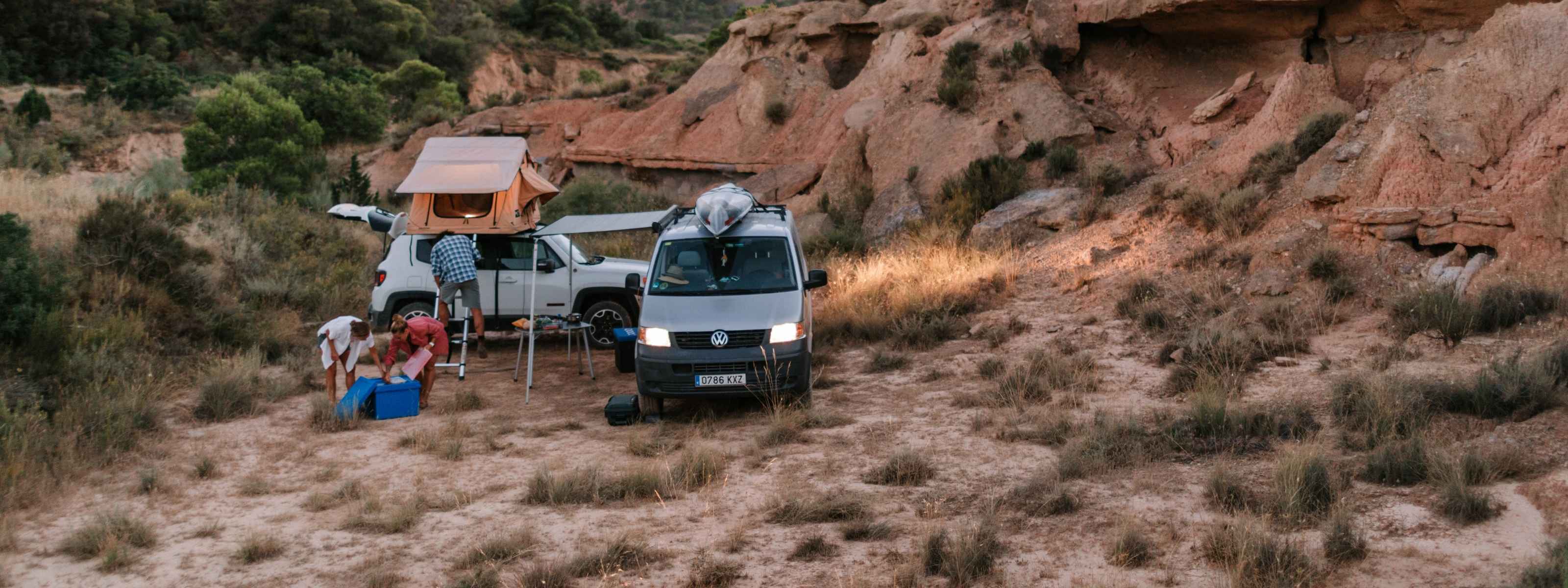
You have a van, a free Friday, and no desire for another crowded campsite. Understandable. But before you just pull over anywhere and extend your awning, it's worth knowing what's allowed and what's not in Germany.
The good news: there are more legal options than most people think.
What does wild camping even mean?
In Germany, wild camping means: pitching a tent or staying overnight outside designated areas, on public or private land without permission. And this is generally forbidden. Not because anyone has anything against freedom, but because the protection of nature and private property is enshrined in German law.
The Federal Forest Act prohibits camping in forests. The nature conservation laws of the individual federal states prohibit overnight stays in protected areas. Anyone who camps anyway risks fines between 50 and 500 Euros, depending on the federal state and the situation.
The gray area: Overnight stays in a vehicle
This is where it gets interesting. Sleeping in a van is not wild camping. You are using your vehicle as a means of transport and resting. This is generally allowed in Germany in parking lots, rest areas, and on public roads, as long as you don't pitch tents, extend awnings, or set out chairs.
As soon as you start to set up your surroundings like a campsite, a rest becomes an overnight stay in the legal sense. And then the respective municipal regulations apply.
The rule of thumb: sleeping in a car is resting. Tent, table, fire is camping.
What is allowed?
Highway rest areas
No time limit, as long as you don't engage in camping activities. Rest areas are for resting, and that's exactly what you're doing.
Municipal parking lots
Depends on the municipality. Many tolerate an overnight stay. Some have explicit prohibitions, recognizable by signs. If in doubt, do a quick Google search or ask the local administration. Polite inquiries usually get a clear answer.
Private property with permission
Farms, wineries, private properties. Just ask. Many owners will say yes if you ask politely and leave it clean. Some ask for a small fee, some simply enjoy friendly travelers.
Designated pitches
The easiest option. Affordable, often with basic amenities (electricity, water, disposal) and you are legally on the safe side. The quality varies greatly, but good platforms help you find the gems.
What is allowed in other countries?
Anyone driving beyond the German borders quickly notices: the rules differ significantly.
Scandinavia is a paradise for free spirits. In Norway, Sweden, and Finland, the "Everyman's Right" applies: you can camp anywhere in nature, as long as you maintain minimum distances from houses and respect nature. Up to two nights in one spot are no problem.
Austria and Switzerland are stricter than Germany. Wild camping is generally prohibited in both countries. Sleeping in a van is handled similarly to Germany, largely tolerated in parking lots.
France lies somewhere in between. Short stops for sleeping in the van are usually not a problem. Officially, setting up a fixed camp outside of campsites is forbidden, but this is handled very differently regionally.
Portugal and Spain have tightened their rules in recent years after many coastal areas were flooded with campers. Many municipalities have put up explicit no-parking signs. At the same time, there is a dense network of affordable pitches, especially in Portugal.
Where can you find the best pitches?
Good pitches are no longer found by chance. There are now strong platforms maintained by active communities that offer thousands of reviewed spots.
AlpacaCamping is one of the best options for German-speaking countries and all of Europe. The platform lists free pitches, farms, wineries, and extraordinary spots that you would never find with classic camping apps. All places are rated and commented on by the community.
With a club membership, you can see all available pitches, filter by amenities, and communicate directly with hosts.
With our code QOOL39, you can now exclusively get a free camping guide worth 39€ – including the free AlpacaClub annual membership.
Unlock now for free:
https://www.alpacacamping.de/club/book
Here's how:
1) register for free
2) enter voucher code: QOOL39
3) order free travel guide in the benefits world
How to leave every pitch better than you found it
Free pitches only exist because campers before you respected them. And they will continue to exist if you do the same.
Take all your trash with you, even small items. Only make fires where explicitly allowed. Dispose of toilet waste at designated points. Park so that others can pass.
This sounds self-evident. But it's not always the case. Anyone who adheres to these basic rules ensures that the places we all love will still be accessible in ten years.
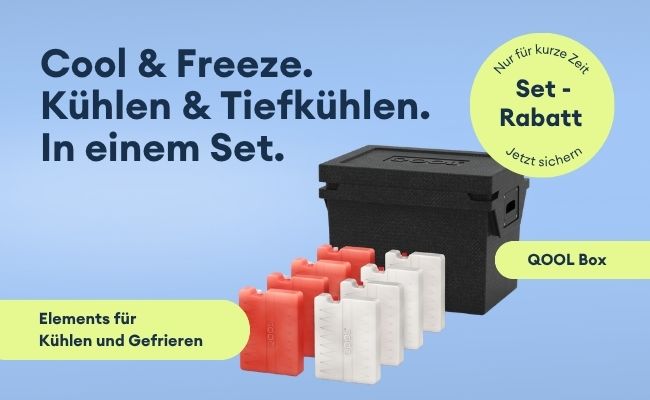
Do you still need the right cooling in your van?
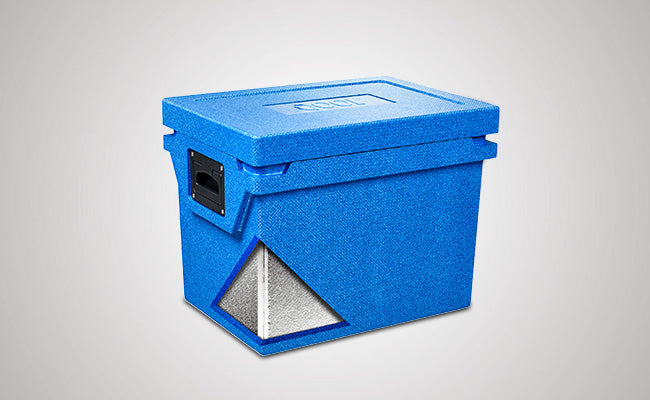
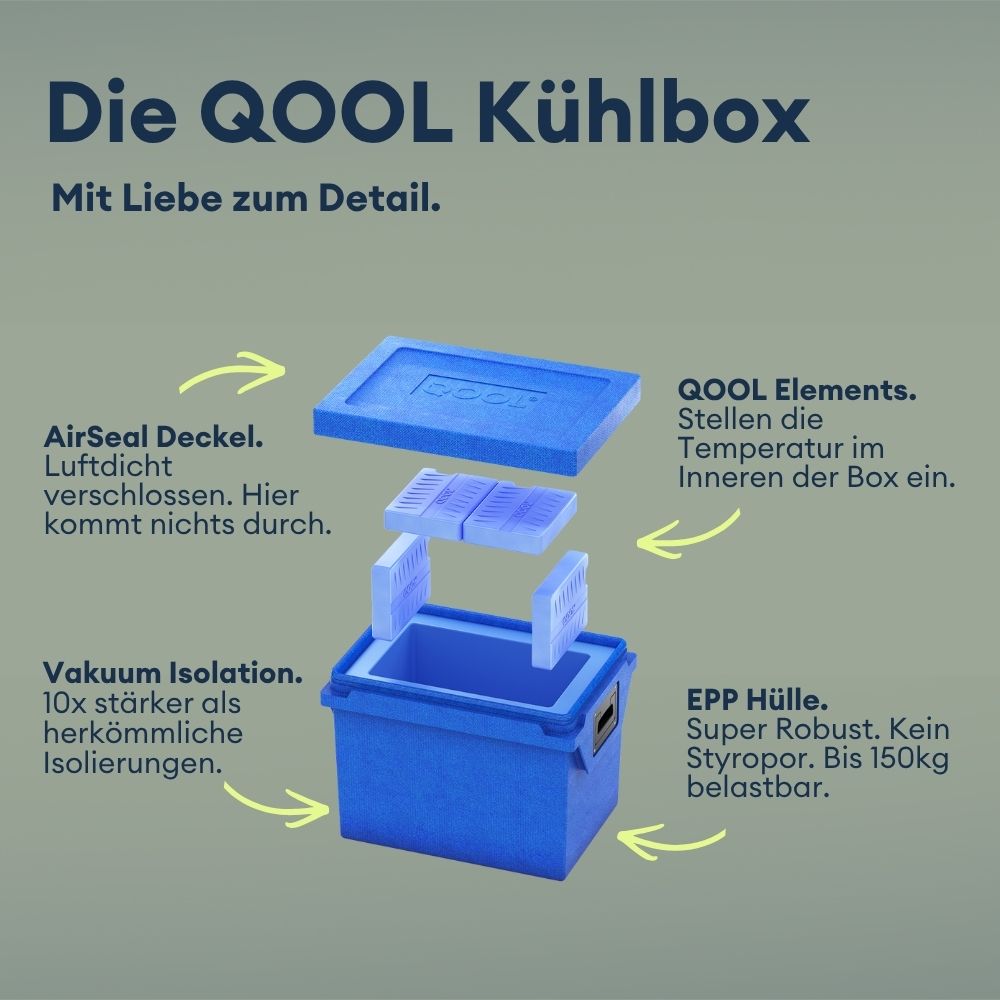
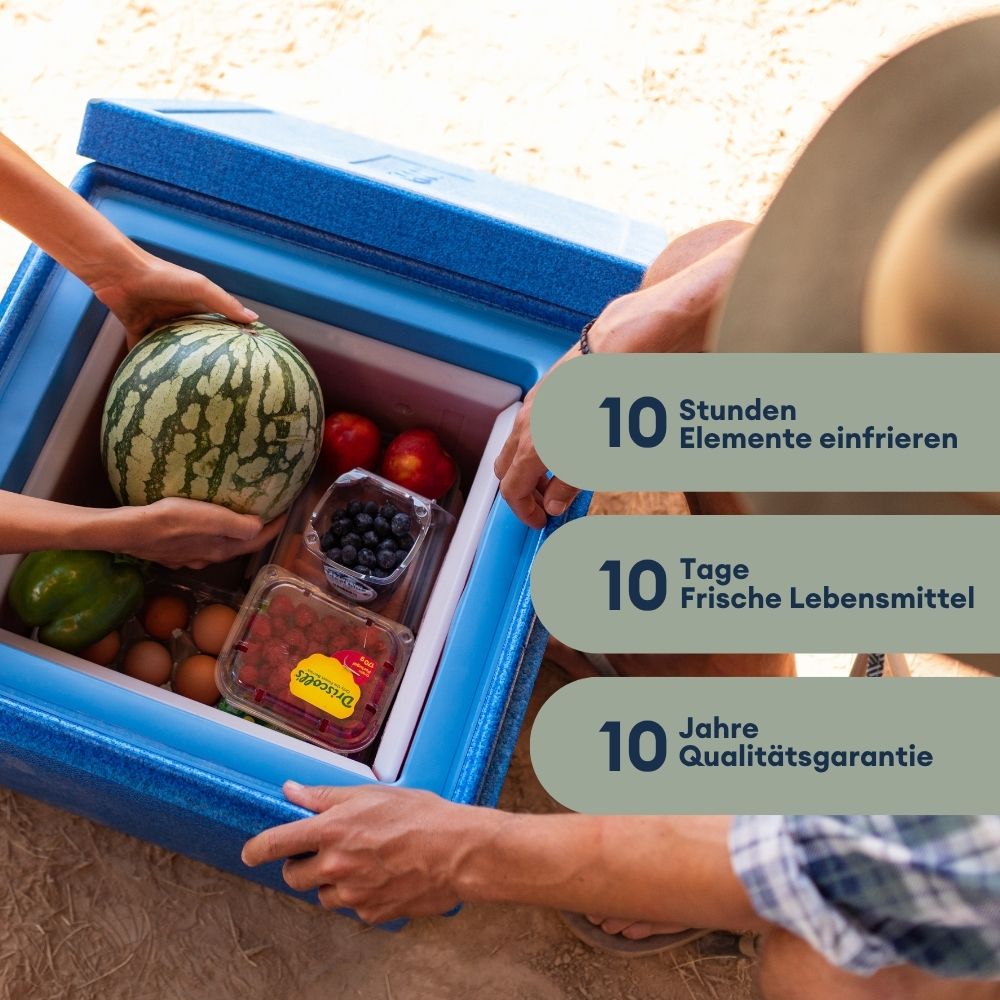
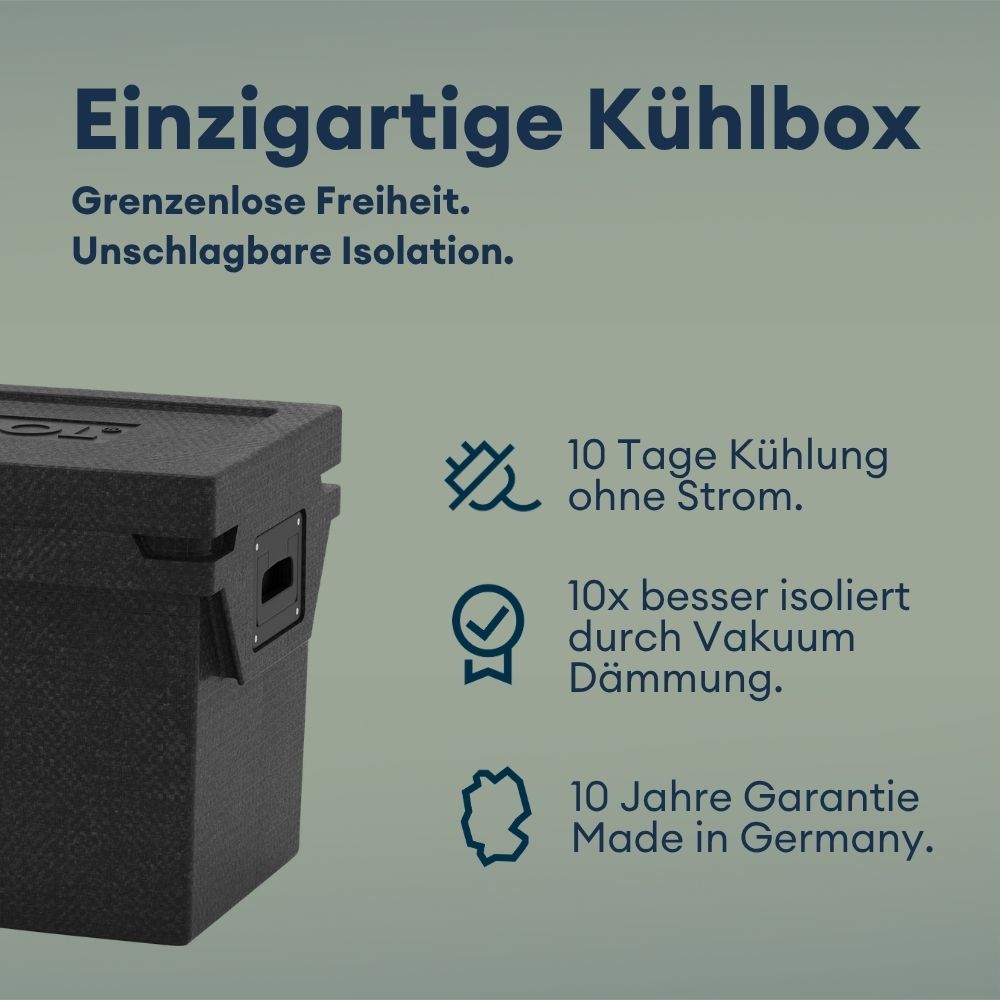
You have the perfect pitch. But what good is it if the supplies aren't right? Anyone seriously traveling in a van needs a cooler that works without electricity, is robust enough for everyday use, and can be integrated meaningfully into the conversion.
In our article on van conversions, we show why the QOOL Box is the better choice for many van lifers compared to a compressor cool box and how to optimally integrate it into your conversion.
QOOL Box in your van conversion: How to plan your cooling correctly